
Additions and finished basements
More bathrooms mean more demand. We size the heater for the new fixtures, not just the old ones, and place it where it can be serviced.
Adding a bathroom, moving a heater, or switching fuel? We size and install a new unit that fits your space and demand.
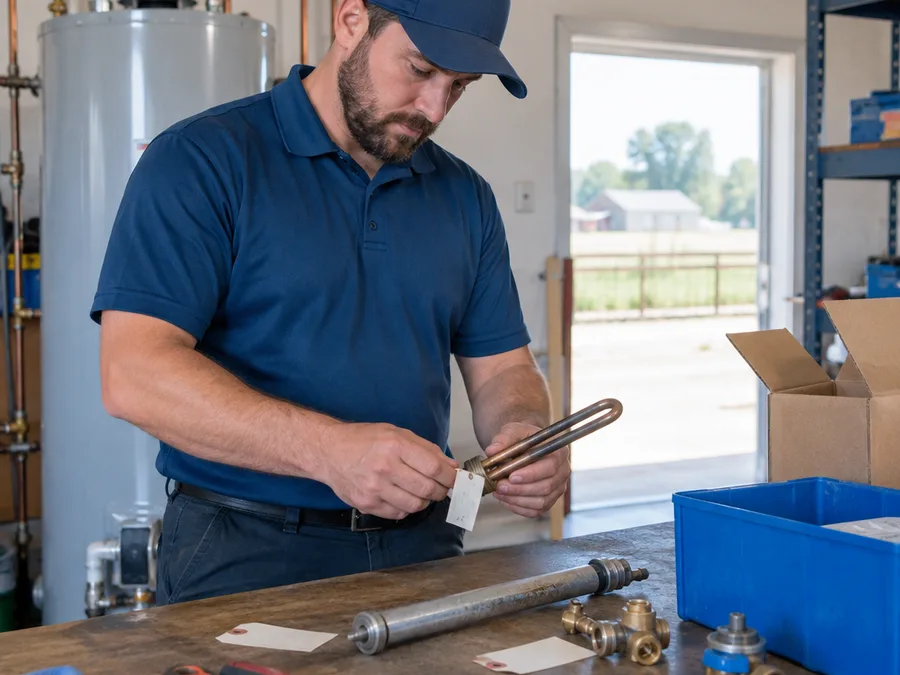
This page is about new installs: a heater where there wasn't one, a second unit, a different location or a different fuel. If your current tank has simply failed, replacing a worn-out tank is a simpler, straight swap.
A new install takes more planning than a replacement. The water lines, the relief valve drain, the venting or electrical supply and the floor or platform all have to be worked out before the unit goes in. In Lancaster's older homes, that often means working around tight basements and existing piping. We do that planning up front so the install day has no surprises.
Already have a heater acting up? Start with water heater repairs, since a fix may buy you years before any new equipment is needed.
Common reasons for a new install:
More bathrooms mean more demand. We size the heater for the new fixtures, not just the old ones, and place it where it can be serviced.
Large households or far-off bathrooms sometimes do better with two units. We plan the piping so each one serves the right fixtures.
Freeing up a utility room or finishing a basement? We run new lines and venting or wiring to the new spot and keep clearances to code.
Gas to electric or electric to gas changes the venting, gas line or electrical circuit. We check capacity before recommending the switch.
If you keep running out of hot water, a larger tank or a faster-recovery model may fix it. We look at usage before suggesting a size.
On-demand units have their own venting, gas and drain needs. We plan each tankless conversion around those needs.
Step 1 of 4
We count fixtures and people, check the location, and measure clearances and access.
Step 2 of 4
We confirm gas-line capacity and venting for gas units, or circuit capacity for electric units, and map the water and drain lines.
Step 3 of 4
We check what your municipality requires and give you the scope and price before work starts.
Step 4 of 4
We set the heater, connect and vent it, fill and purge it, and test for leaks, draft and temperature before we leave.
Where you live decides who reviews the work. In the City of Lancaster, permits go through the Bureau of Building Code Administration. Manheim Township's Code Compliance Department lists a plumbing permit for water heaters in its fee schedule. Other townships have their own code offices.
New installs are more likely than straight swaps to need a permit because they change gas, venting, plumbing or electrical work. We confirm the requirements for your address as part of the quote.
A new tank install starts in the same range as a standard swap, about $1,200 to $3,500, then rises with the added work: a new gas line, new venting, a dedicated electrical circuit or a long water-line run. Tankless installs often run $3,000 to $7,500+.
We confirm the exact price after seeing the location and the project plans.
Planning a remodel? Call before the walls close up.
Replacement swaps a failed heater for a new one in the same spot. Installation covers new situations: a new heater for an addition or remodel, a second heater, a move to a new location, or a switch between gas and electric.
Usually, yes. Moving a heater means new water lines, a drain path for the relief valve, and new venting or wiring. We check the new location for clearances and service access before we commit to it.
Often you can. Going to gas needs gas-line capacity and venting. Going to electric needs a dedicated circuit with enough capacity. We check both before recommending a switch.
New installs often involve plumbing, gas or electrical changes that a code office may want to see. We confirm what your municipality requires during the quote.
A simple install in an easy spot can be finished in a day. Relocations, fuel switches and tankless installs take longer because of the added piping, venting or electrical work.
Let us know what you're building or changing and where the heater needs to go. We'll plan the install and give you the scope and price first.